Employers lack knowledge about absenteeism; workplace wellbeing receives too little structural attention
During a private evening at the Kunstmuseum The Hague, fifty leaders - CEOs, CHROs, policymakers, and experts - came together to discuss absenteeism, well-being, and responsibility within a system under pressure. Under the guidance of Mayke Nagtegaal (TrueTribe) and Constantijn van Oranje (Techleap), roundtable and panel discussions offered space for sharp insights and innovative perspectives. Not focused on treating symptoms or sharing best practices, but on exploring what becomes possible when we dare to fundamentally redesign the system.
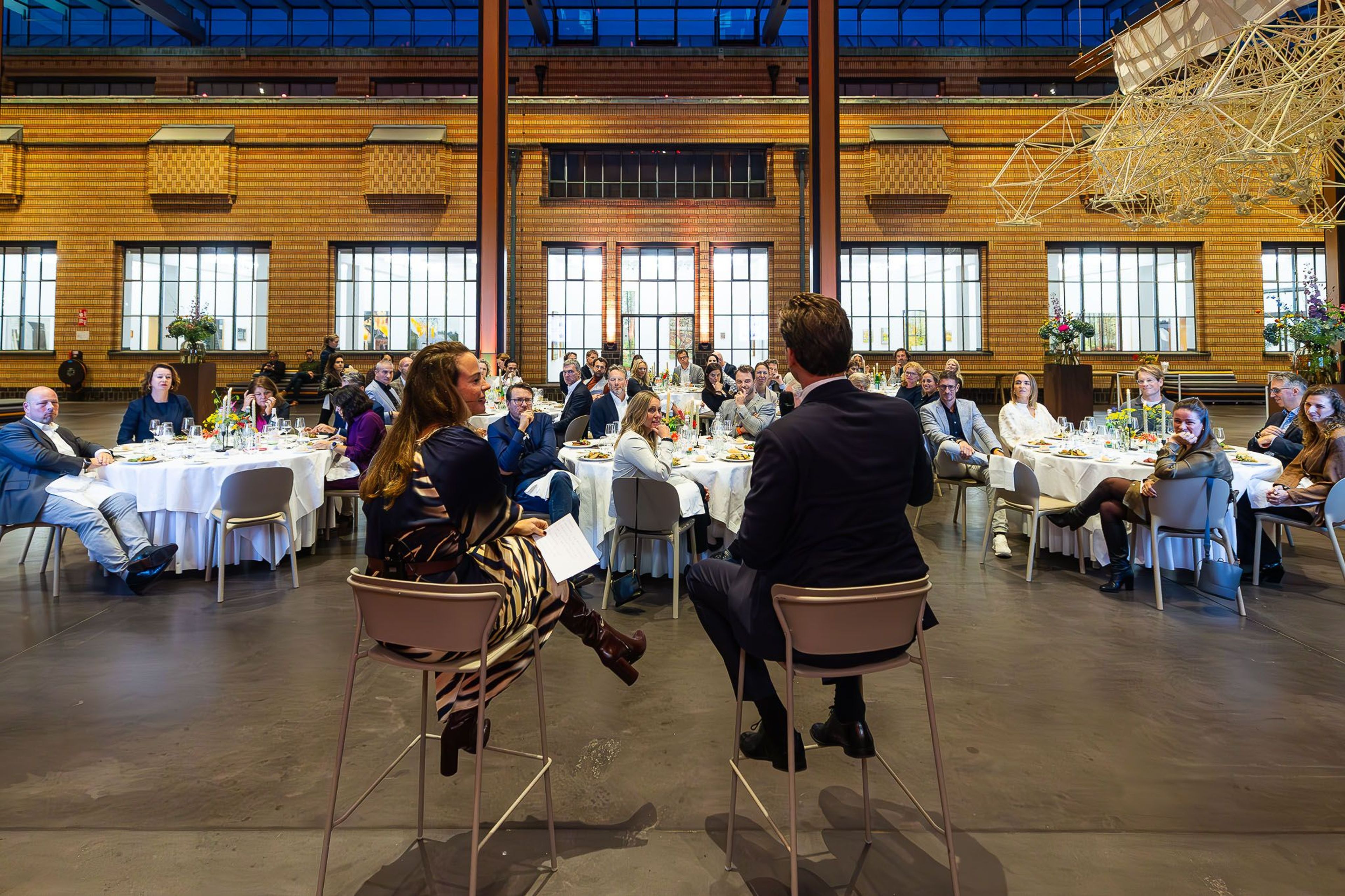
Current regulations and systems keep wellbeing and work separate
Dutch employers have little insight into absenteeism within their organizations and the reasons behind it. They are also often unaware of their rights and obligations regarding sick leave. These are some of the striking conclusions from a live survey conducted among fifty leaders from business, policy, and innovation during an event organized by Colbe, the European network of specialists in health, wellbeing, and HR tech company TrueTribe. No less than 90% of participants agreed that employers are insufficiently equipped to deal effectively with absenteeism.
During the event, discussions centered around how to create a sustainable work ecosystem for employees and employers. There was broad consensus that wellbeing currently plays an underestimated role and that the relationship between absenteeism and wellbeing needs to be reconsidered. Although traditionally an HR issue, it is now seen by most as a strategic matter that belongs at board level.
The survey and roundtable discussions reinforced the picture painted by the speakers: the current system of absenteeism and employability is creaking under pressure. Bas Tomassen, CEO of Colbe, urged participants to look beyond conventional interventions. While many companies address mental health through webinars or coaching, he called for a fundamental discussion about the system behind work itself.
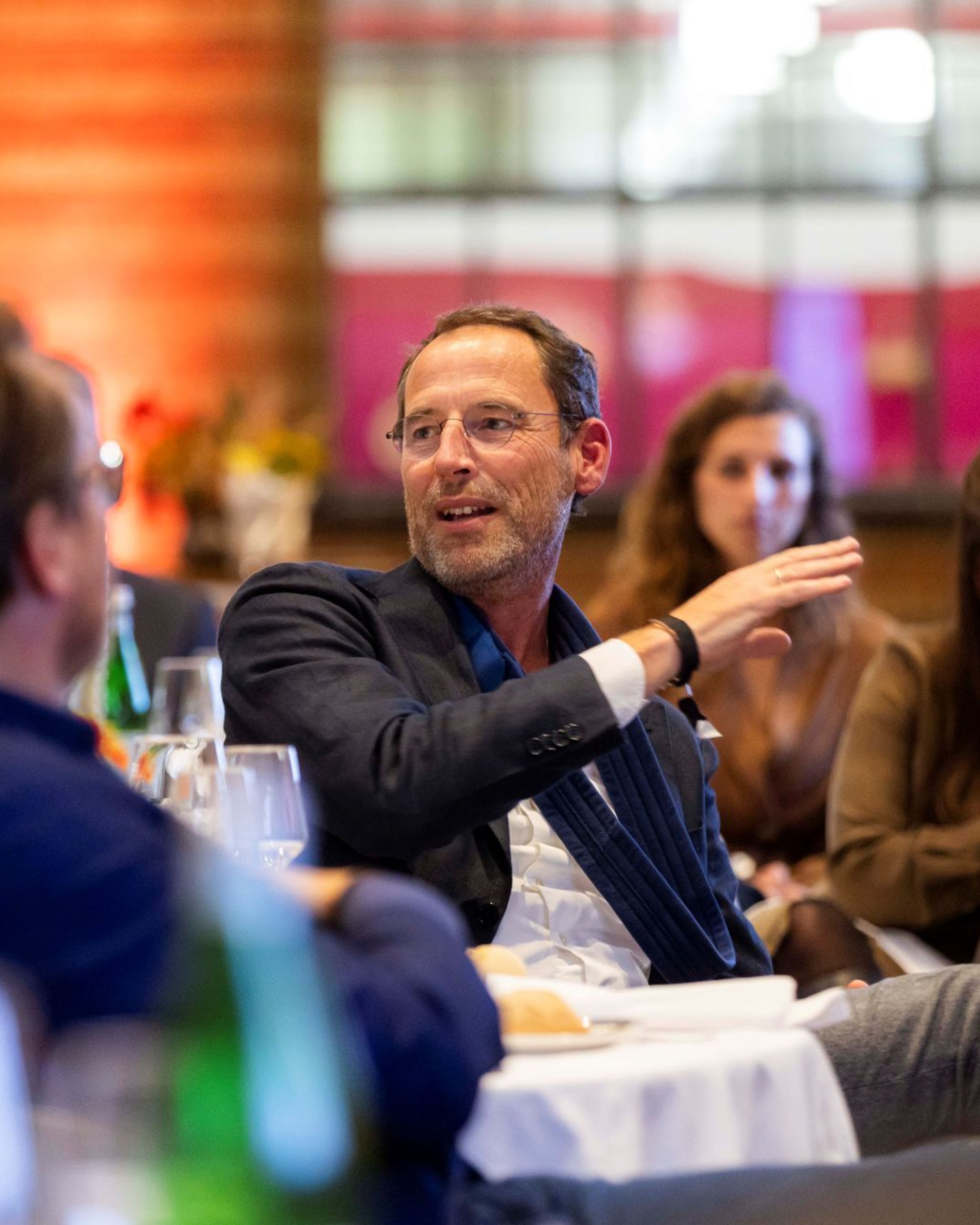
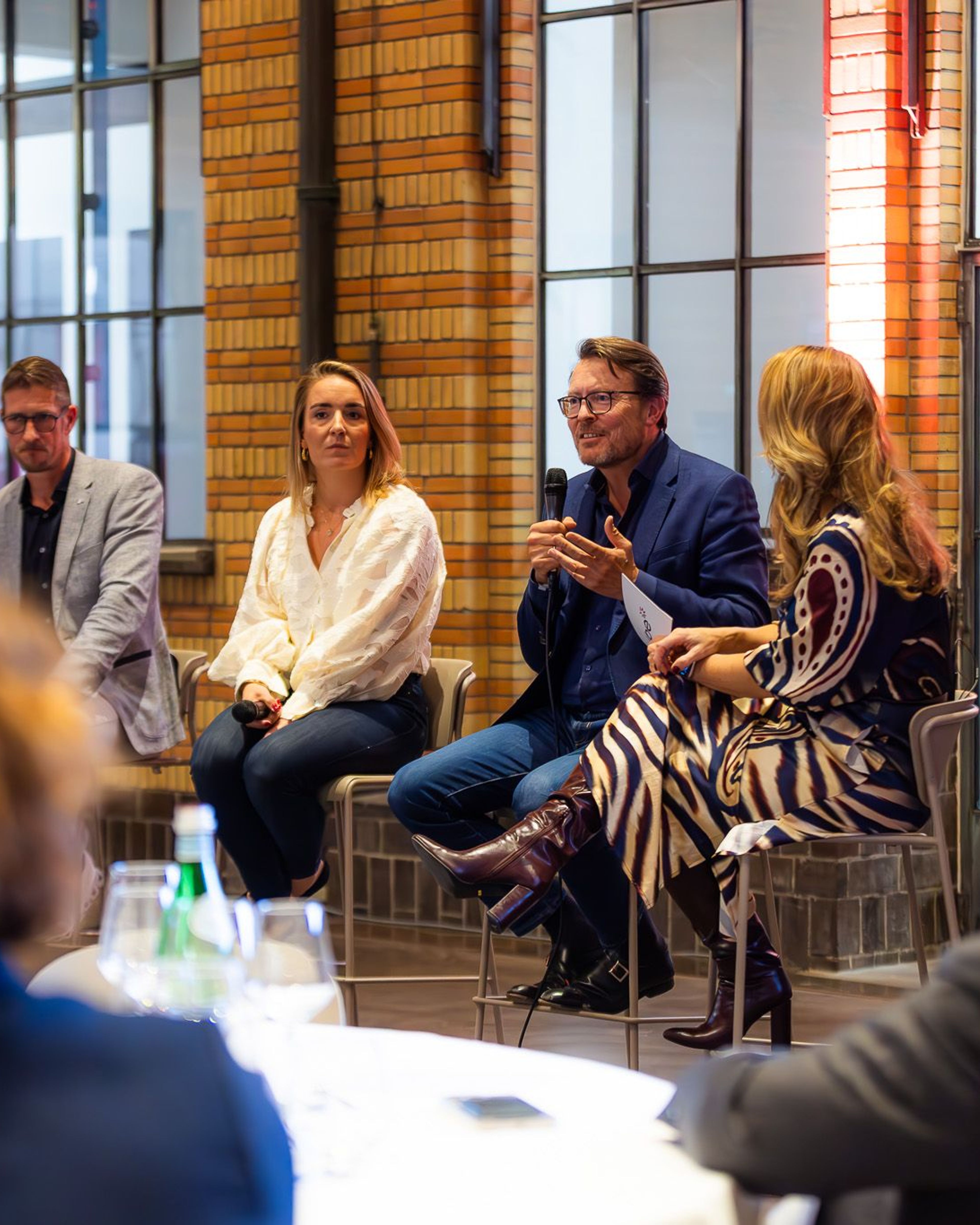

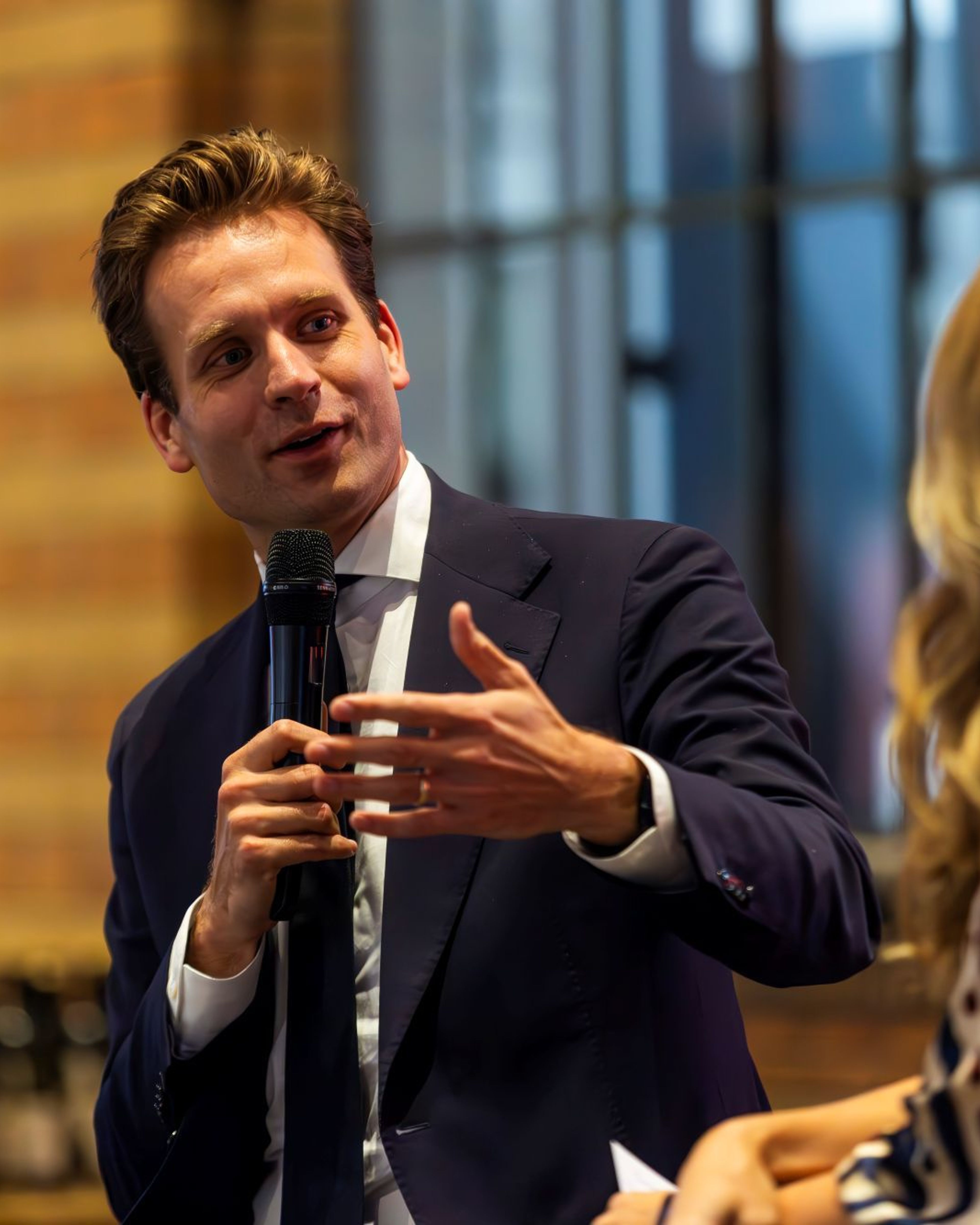
The real conversation should be about the system itself; how governments, leaders, and managers can change the conditions under which people work. Current regulations, such as two years of sick pay, may need to be reconsidered, but this shouldn’t rest solely with the government. Human-centered leadership is just as crucial to initiate this much-needed change.
From data to dialogue
It is not the rules but the relationship between manager and employee that determines whether someone can work healthily. Absenteeism is not merely an occupational health issue—it concerns the entire organization. Data can play an important role here. With insights for employers and fast access to support for employees in areas like vitality, health, and personal development, absenteeism can be prevented through early intervention.
Mayke Nagtegaal, CEO of TrueTribe, sees the power of data every day: “Occupational health services hold a wealth of data about workplace health issues, but it is rarely used. We increasingly leverage this data to derive valuable insights that inform key decisions. Absenteeism data is something you can learn from. Where can you make the difference? Which levers should you pull?”
An integrated approach can make work once again a place where everyone feels at home and finds meaning. Data provides a starting point for conversation; something many employers currently neglect. More than half of respondents said they rarely ask about the underlying causes of absenteeism or outsource absence management without checking for potential patterns.
Data can be revealing and serve as an early warning, but to get the most out of it, you need to engage in conversation", added Nagtegaal. "Is someone at home because of a bad flu, or is there dissatisfaction or a difficult family matter? If you don’t know, you can’t act on it. Absenteeism isn’t always about illness; through dialogue, you can often uncover and address the real issue.
A system that’s breaking down
According to participants, the focus should not only be on the workplace but also on the broader system of working life in the Netherlands. Absenteeism is not an individual problem but a symptom of something structural. A system in which rules, incentives, and expectations are misaligned. The Netherlands is one of the few countries where employers are required to pay wages for two years during illness; a policy that, while well-intentioned, is now widely seen as counterproductive.
At the same time, there was optimism: other countries demonstrate that things can be done differently. In Denmark, where sick pay is shorter but reintegration happens faster and more flexibly, both employers and employees take more responsibility, leading to a genuinely healthier work ecosystem.
Three directions for progress
In addition to adjusting regulations, business leaders and experts identified three key priorities for change:
- An integrated approach to wellbeing, combining mental, physical, and social health.
- More tailored and personalized employee support.
- Stronger leadership and better communication skills among managers.
Together, these elements form the blueprint for a new kind of organization: human-centered, adaptable, and future-proof.