Rivas Zorggroep & Colbe
From Absence to Ownership
In healthcare, everything revolves around helping people. But how do you help healthcare workers themselves to remain deployable? At Rivas Zorggroep, this question sparked a cultural transformation that reshaped absence management into a story about ownership and being truly seen.
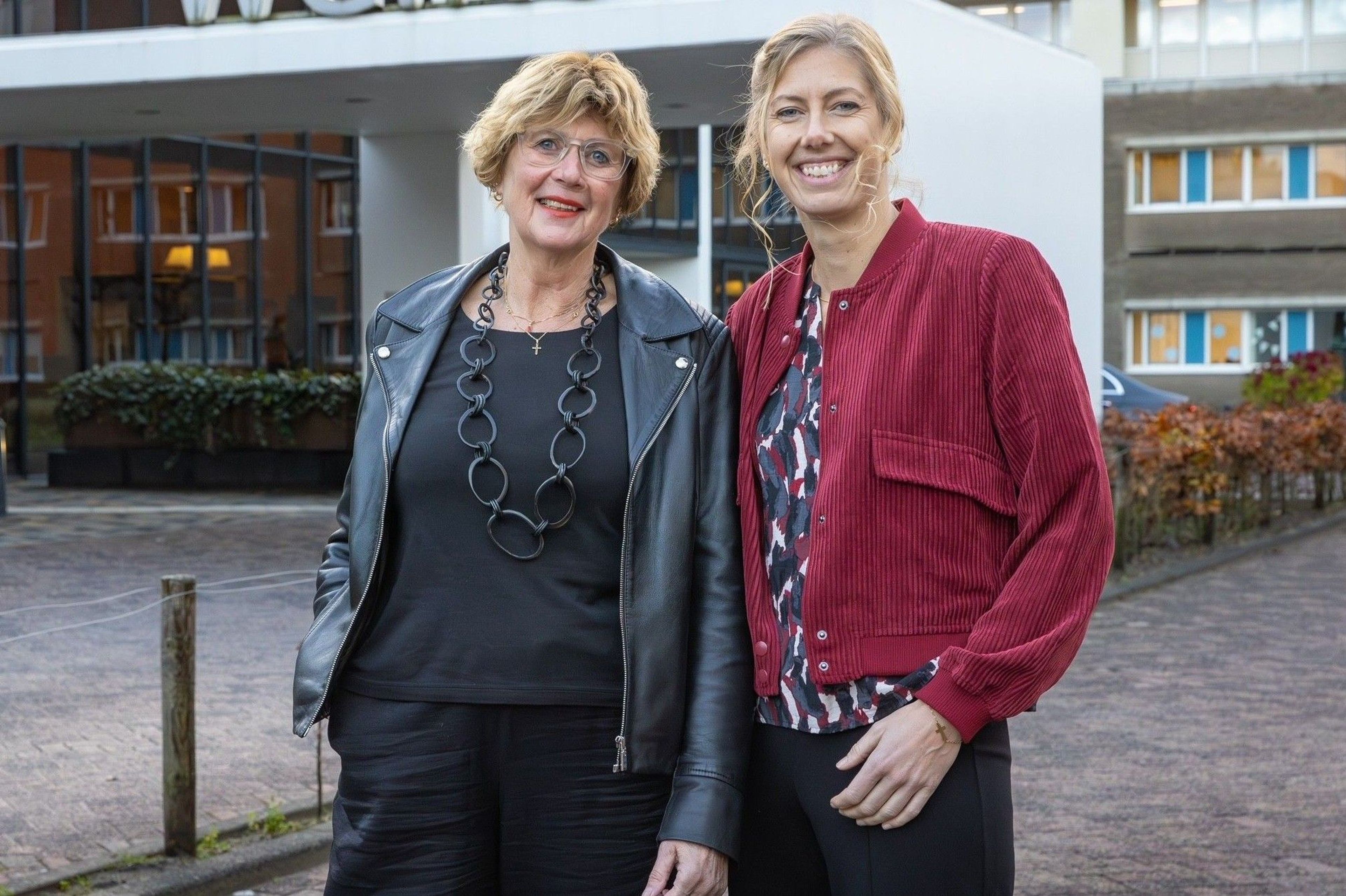
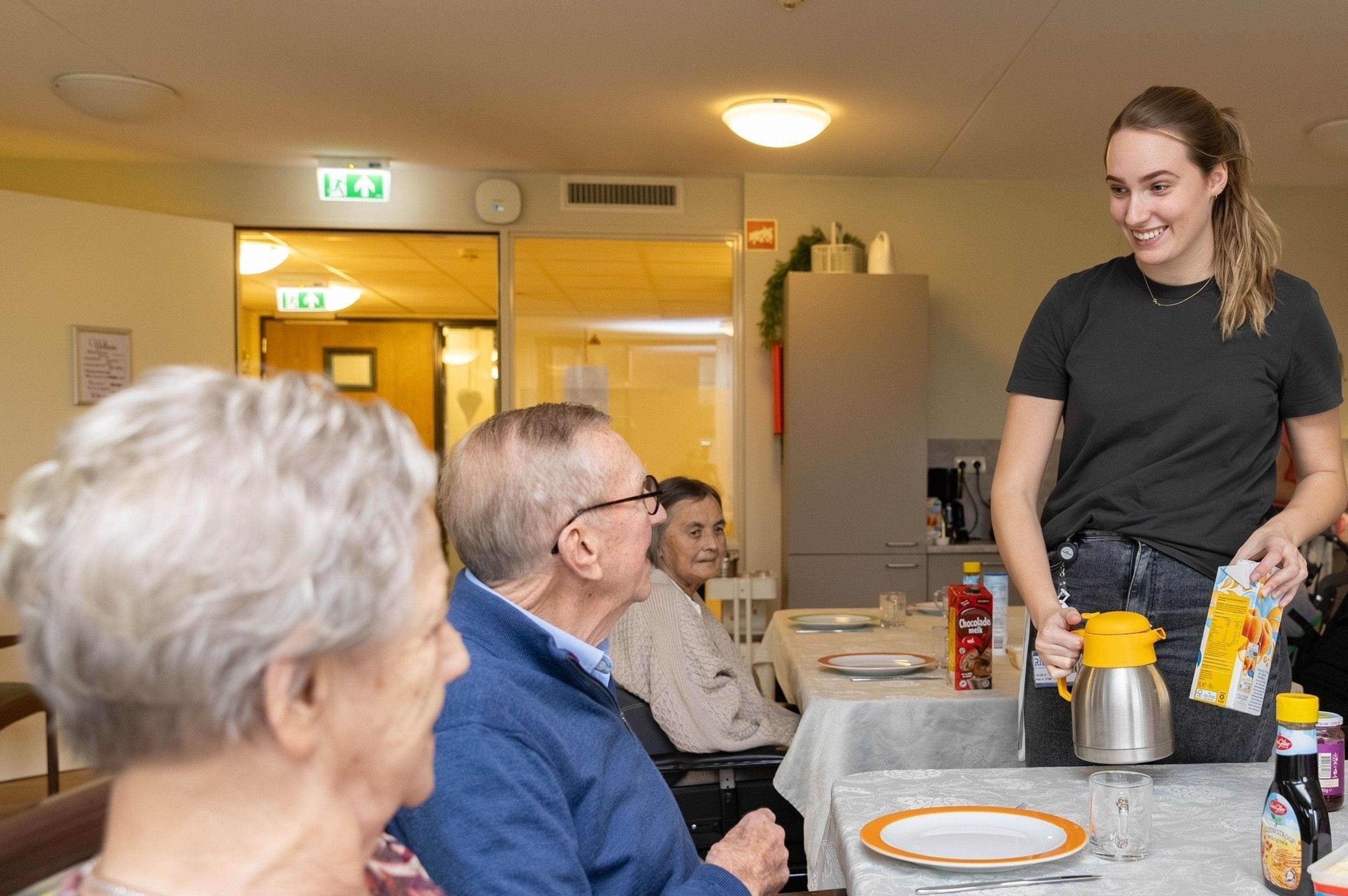
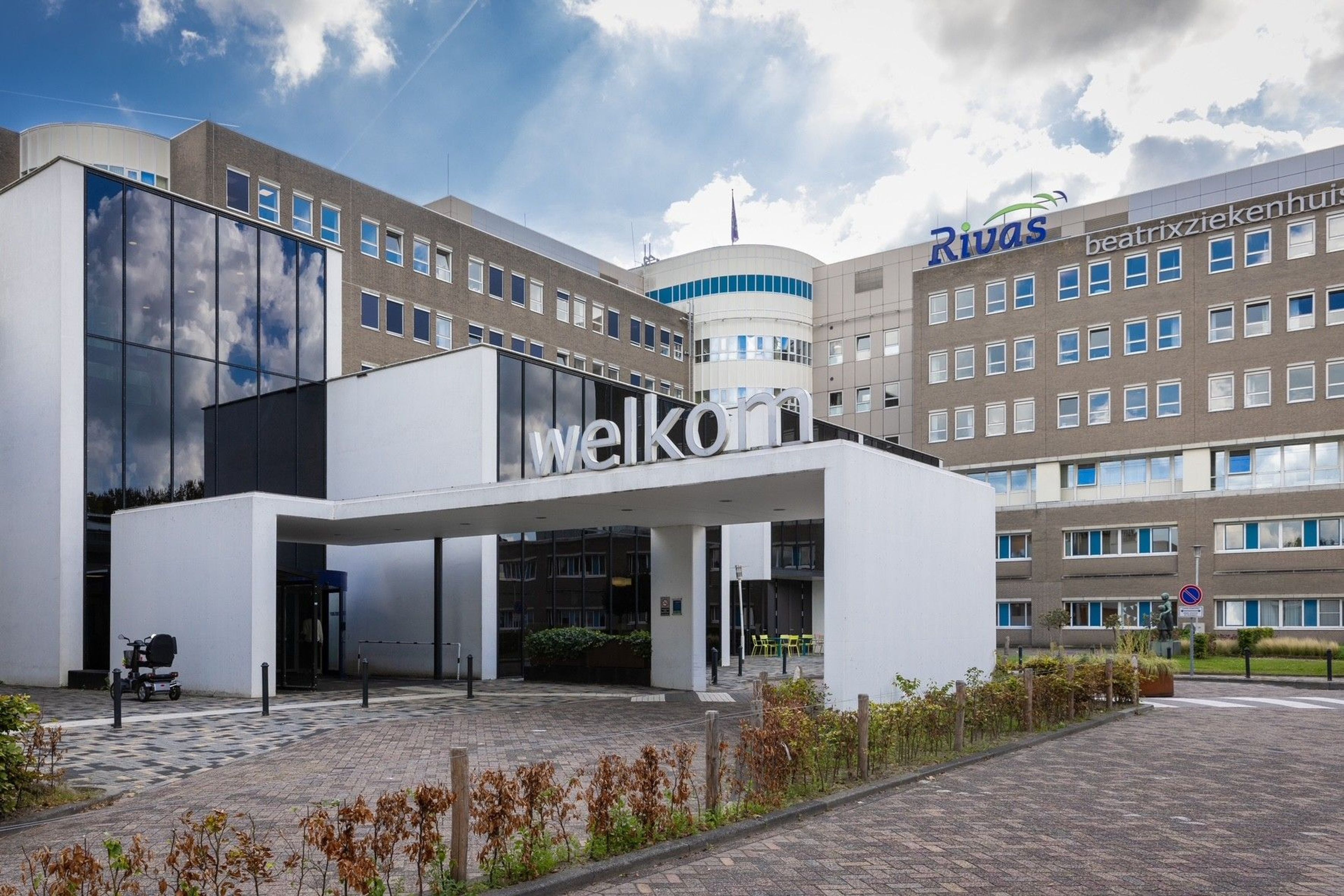
Rivas Zorggroep brings together hospital care, rehabilitation, home care and long-term care under one roof. With more than 5,000 employees spread across three divisions – the Beatrix Hospital, VVT (Nursing, Care and Home Care) and the Care Centre – the organisation navigates a complex landscape where patients sometimes move through every part of the care chain.
A few years ago, the organisation embarked on a transformation: from absence thinking to a culture of deployability. A journey that began with the realisation that the very language used to discuss the problem was part of the problem itself.
"We used to call it absence," explains Pietje Boel, Deployability Advisor at Rivas. "The language we used was all about being ill. Because absence figures were rising and care teams were under pressure, there was urgency. But gradually, we discovered that the real gains didn't lie in rules, but in behaviour."
From Medical Model to Behavioural Approach
The shift began with recognition. Kristel den Hartog, also a Deployability Advisor at the care organisation, previously worked as a nurse and experienced firsthand how absence was approached purely from a medical perspective. "That makes sense for a doctor, but not always for an employer. In the conversations I had, I realised I did have influence; through the way I spoke, encouraged, or gave space."
This observation prompted a search for a different approach. Boel was already familiar with Falke & Verbaan, part of the Colbe network and specialising in driving behavioural and cultural change, with a strong focus on absence reduction. This earlier experience meant Rivas reached out to the organisation again. "The first time, we didn't quite manage to embed the vision throughout the organisation. But the approach stayed with me. This time it had to be different: carried by the entire organisation, from the board to the teams."
In October 2022, Rivas, together with Falke & Verbaan, organised a large inspiration event where the behavioural perspective on absence was introduced to the entire organisation. The philosophy that absence is not a fixed given, but a choice process strongly influenced by the social environment, with work as the most important factor. The shift required a common language, shared understanding and support from top to floor.
"We discovered that the real gains didn't lie in rules, but in behaviour. Deployability is about self-determination and taking each other seriously, not about 'being ill'." Pietje Boel, Deployability Advisor at Rivas Zorggroep
A New Infrastructure of Ownership
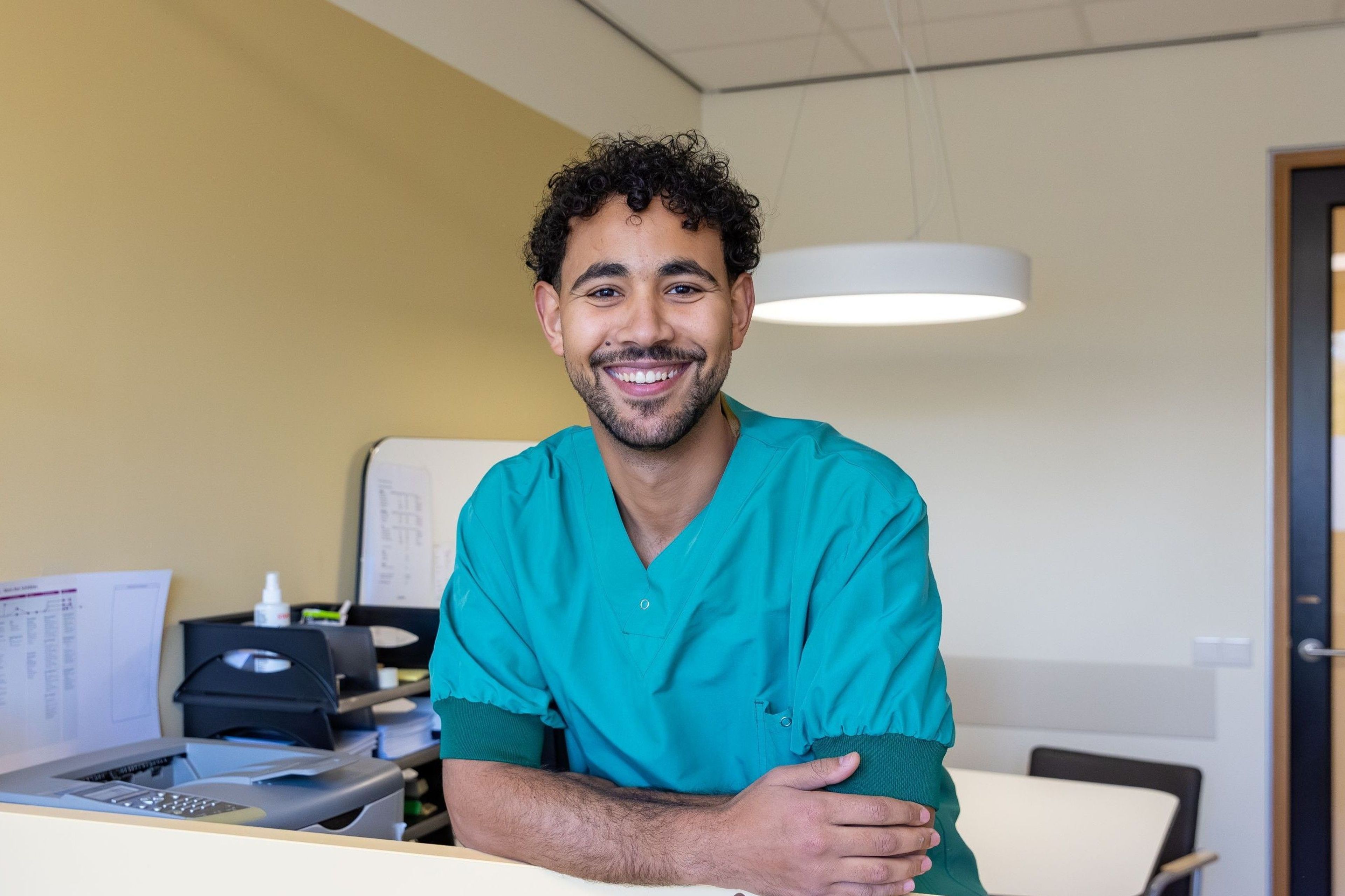
From there came training for managers, employee meetings and intensive collaboration with Falke & Verbaan. Boel and Den Hartog trained as trainers-of-trainers, so that meetings could be delivered from within the organisation itself. "A familiar face from the organisation means the message lands better," Den Hartog explains.
Since then, together with a team of trainers, they have delivered more than 200 employee meetings. To anchor the behavioural vision, they developed a toolbox full of practical resources: working methods, conversation tools, the task pyramid, step-by-step plans for mental health absence. Some tools came from Falke & Verbaan, others were developed in-house. Creative tools were also deployed, such as a playful campaign video in which Den Hartog herself featured.
An important turning point came with the switch to an occupational health service that embraced the same vision. Through Falke & Verbaan, Rivas came into contact with De Nieuwe Arts, which is also part of the Colbe network. "Our previous occupational health service operated mainly from the medical care model. We had already moved further on," Den Hartog explains. "That gap became too large." The new partnership ensured a common language across all parties involved. Occupational physicians and managers now work together on preventative conversations: how do you spot early what someone needs? "That brings practice together," Boel says. "Deployability has become a broad organisational theme."
Rivas also found the right expertise within the Colbe network for other challenges. For support around mental health issues, the organisation engaged Skils, and for specialist investigation into work capacity, Rivas worked with Ergatis. This organisation provides independent occupational health expertise to advise on work capacity, prognosis and treatment in cases of (threatened) absence, and supports the resolution of complex absence. "It's fantastic that all partners speak the same behavioural language," Boel says.
"The switch to De Nieuwe Arts has brought a lot: we speak the same language, pull together and learn from each other. Deployability is now a broad organisational theme." Kristel den Hartog, Deployability Advisor at Rivas Zorggroep

Cultural Transformation
The shift in thinking also translated into conversations with colleagues. "Nowadays, the conversation is mainly about: what do you need to remain deployable, before absence occurs?" Den Hartog explains. She gives concrete examples: frequent absence conversations, budget coaching, workplace social work, grief coaches, stress and recovery programmes, mobility advisors who help when the work jacket no longer fits.
This preventative approach requires the involvement of everyone. Asked about the most important success factor, Boel and Den Hartog don't hesitate for a moment. "That the entire organisation participates," Boel says. "From the Board of Directors to team members. Everyone speaks the same language. That makes the difference."
Although it was never the primary focus, absence has since visibly declined, even falling below the sector average. But according to Den Hartog, that figure doesn't tell the whole story. "What I find most beautiful is that colleagues feel more seen. That they speak up earlier about what they need. That managers feel empowered in their role."
Boel, who has been in the profession for decades, recognises that growth in the conversations she observes. "When I see how managers conduct conversations now; there's real attention, real contact and self-determination is increasingly becoming second nature. I find that such an enrichment." Colleagues dare to set boundaries earlier, managers feel equipped to support. In the coming years, Rivas will continue to build that culture. "A term like 'deployability' is abstract," Den Hartog acknowledges. "So we translate it into words that resonate: 'you matter'."
"This is not a project," Boel emphasises. "It's culture. And culture takes time. But we're buzzing with energy." That energy makes the difference, according to Den Hartog. "The enthusiasm in our team; you can't fake that. We believe in this so much. And that radiates throughout the entire organisation. Deployability at Rivas Zorggroep is a way of working, thinking and caring. We all matter."
About Rivas Zorggroep
Rivas Zorggroep is one of the largest regional care providers in the Netherlands, with more than 5,000 employees spread across three divisions. The Beatrix Hospital in Gorinchem provides hospital care and rehabilitation, the VVT division (Nursing, Care and Home Care) focuses on long-term care and home care, and the Care Centre coordinates care logistics. The organisation is characterised by an integrated chain in which patients can move through different forms of care. With locations in the Gorinchem region, Rivas contributes to the health and wellbeing of thousands of people. The organisation places strong emphasis on sustainable deployability of employees, with the conviction that good care begins with good employment practices.
About Colbe
Colbe is the European network of specialists in health and wellbeing. We help people to feel better – and stay better – at work. Read more about us.
Photography by Maartje Kuperus ©.