From absence management to work wellbeing
Work needs a fresh perspective. Not by zooming in on absence figures, but by looking at work wellbeing. Then work becomes a place where people can grow and experience a sense of connection.
Absence tells a bigger story
Organisations invest heavily in reducing absence, but still too often focus on the figures rather than the people behind them. And absence doesn’t exist in isolation. It reflects how people experience their work, their environment and their organisation.
So it’s time to take a different view of work and wellbeing: one centred on work wellbeing. To what extent do employees feel healthy, connected, capable and that their work is meaningful? From this perspective, absence is no longer an isolated issue affecting individual employees, but part of a broader organisational system. One that requires the attention of the entire organisation, not just HR.
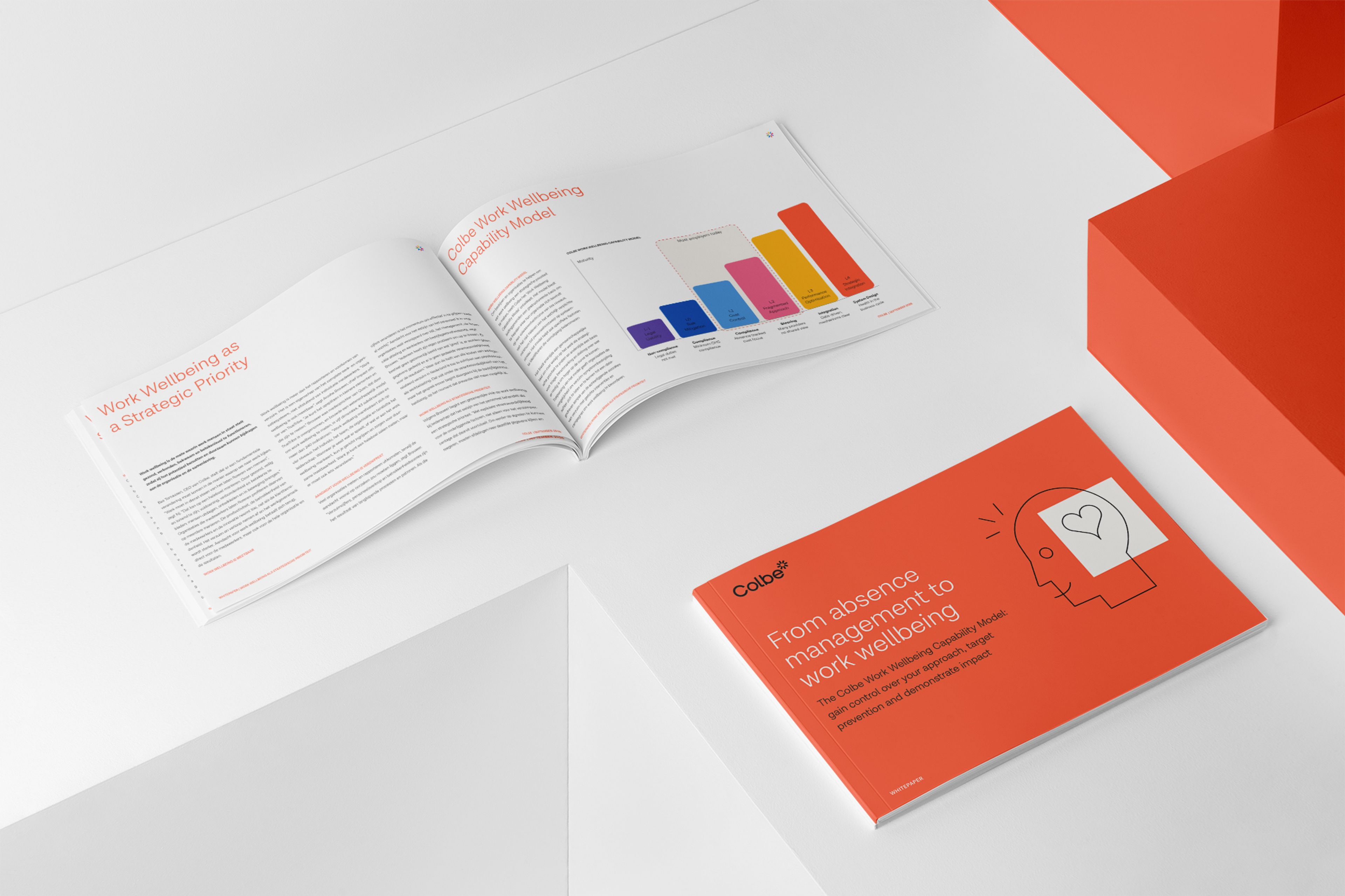
Whitepaper 'From absence management to work wellbeing'
Where does your organisation stand today when it comes to work wellbeing? And what is needed to take the next step? Find out in our whitepaper.
Discover the Work Wellbeing Capability Model
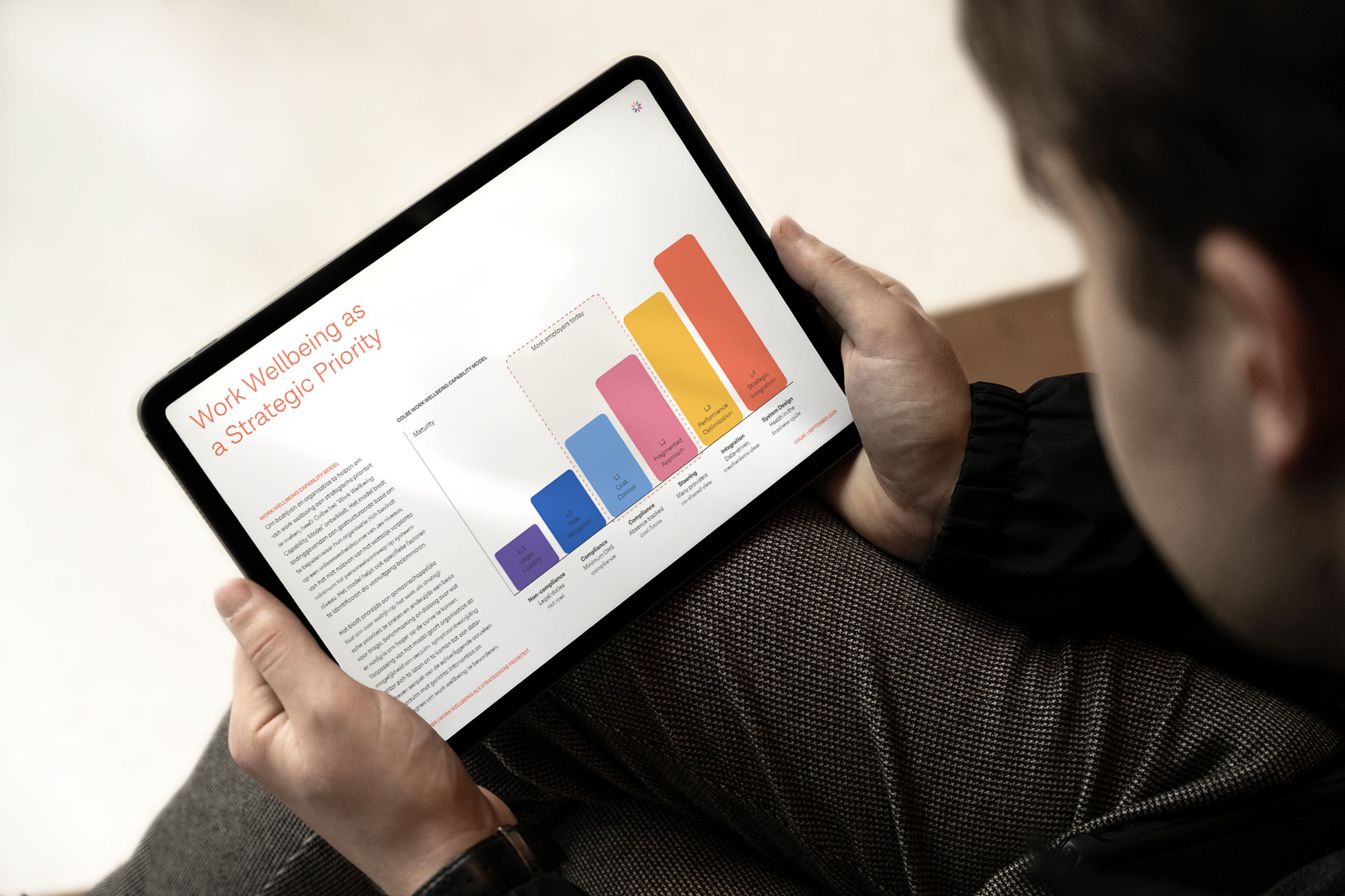
The Work Wellbeing Capability Model maps work wellbeing across six stages. From organisations still mainly focused on meeting minimum legal requirements, to work wellbeing as a natural part of strategy and culture. Discover the model in the whitepaper and see where there's room to grow.
Colbe Work Wellbeing Capability Model
Maturity
Most employers today
L-1
L-1Legal Liability
L0
L0Risk Mitigation
L1
L1Cost Control
L2
L2Fragmented Approach
L3
L3Performance Optimisation
L4
L4Strategic Integration
Non-compliance
Legal duties not met
Compliance
Minimum OHS compliance
Compliance
Absence tracked cost focus
Steering
Many providers no shared view
Integration
Data-driven, mechanisms clear
System Design
Health in the business cycle
- L-1
Legal Liability
Non-compliance · Legal duties not met
- L0
Risk Mitigation
Compliance · Minimum OHS compliance
- L1
Cost Control
Compliance · Absence tracked cost focus
- L2
Fragmented Approach
Steering · Many providers no shared view
- L3
Performance Optimisation
Integration · Data-driven, mechanisms clear
- L4
Strategic Integration
System Design · Health in the business cycle
Know what's going on
Looking at work differently also calls for a different way of steering. Not just on gut feeling, but on what the data tells you. Absence data, HR data and insights from employee satisfaction and engagement surveys are often viewed in isolation. Bring that information together and you get a more complete picture of what people need to work well and with energy. But insight alone isn't enough. The next step is to do what's needed: take targeted action, then check whether it actually makes a difference.
Experts about wellbeing

Wellbeing that works
For the past six years, my work has centred on one idea: placing wellbeing at the heart of success. Across hundreds...

"Use data not as an answer, but as a starting point for asking better questions"
When the absence rate rises by two percentage points, many organisations immediately become uneasy. Something has t...
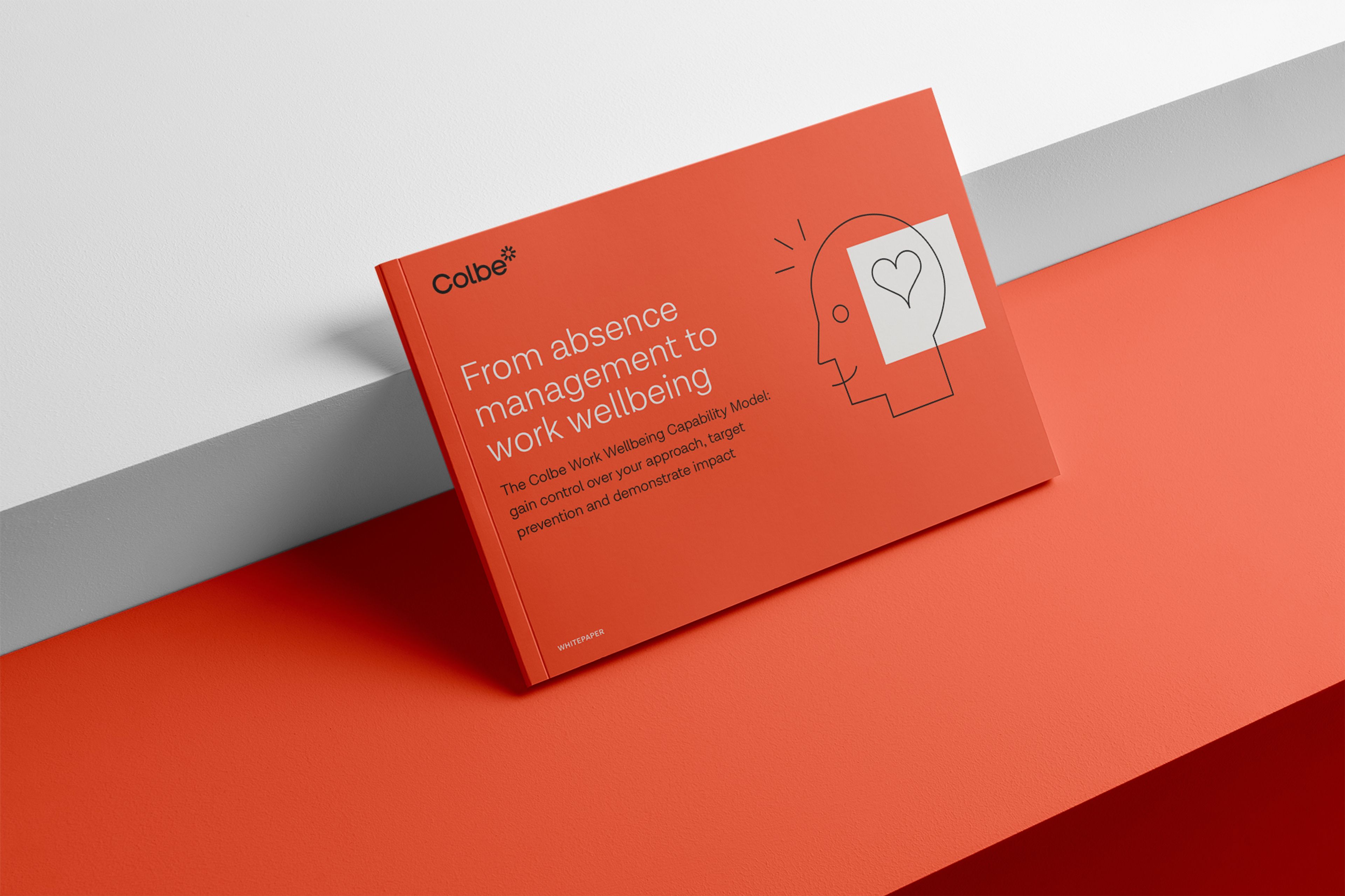
Colbe introduces the Work Wellbeing Capability Model
Colbe is publishing the whitepaper 'From absence management to work wellbeing'. It introduces the Work Wellbeing Ca...