Gemeente Noardeast-Fryslân & Colbe
More prevention, fewer absence cases
What do you do when employees only say "I can't go on" once it's already too late? At Gemeente Noardeast-Fryslân, a close-knit, down-to-earth organisation, that was an all-too-familiar situation.

Occupational Health Coordinator Mariska Veldhuizen explains how she helped bring about change: investing in managers who genuinely see their team members, trauma support that encourages even the most reserved employees to open up, and a network of partners that work together seamlessly. This is the story of a municipality that chose to invest in prevention.
Prevention is better than cure. It sounds perfectly logical, yet few organisations truly put it into practice. Why spend money on something that isn't a problem yet? For a municipality, that question is particularly difficult. Every expense must be justified, as it involves public funds.
As Occupational Health Coordinator at the gemeente Noardeast-Fryslân, an organisation of more than 600 employees, Mariska Veldhuizen knows the tension well. "In an ideal world, managers would maintain an ongoing dialogue with their employees about their employability. By creating space to address issues early on, they can prevent people from dropping out later. It was a bold step, but our municipality chose to take it, and we are now seeing the benefits."
Working for the municipality: rewarding, but not always easy
Start with the figures, because they speak for themselves. Research by A&O Fonds Gemeenten, the Dutch Labour Market and Development Fund for Municipalities, found that almost three-quarters of Dutch municipalities faced staff shortages in 2025. Meanwhile the field-based workforce is ageing, and the work itself is physically demanding.
"How can a municipality continue to fulfil the same responsibilities with an ageing workforce?" Mariska asks. Then there's aggression from members of the public, which far too many employees are exposed to. "Aggression and psychosocial safety have a major impact on employees' ability to work," she explains.
And there's another more factor, one that looks like a strength. The municipality is a close-knit, supportive place where people do a great deal for one another. "People will go to great lengths to help each other," Mariska says. "That is a wonderful quality, but it also has a downside. Over time, it can take its toll. Colleagues may already be struggling so much by the time they speak up that it takes a long time before they can return to work."
That was the central issue: people were speaking up too late. No standalone training course or app was going to solve it. What the Municipality of Noardeast-Fryslân needed was a change in how it worked. Together with several partners from the Colbe network, Mariska and her colleagues took it on from multiple angles.
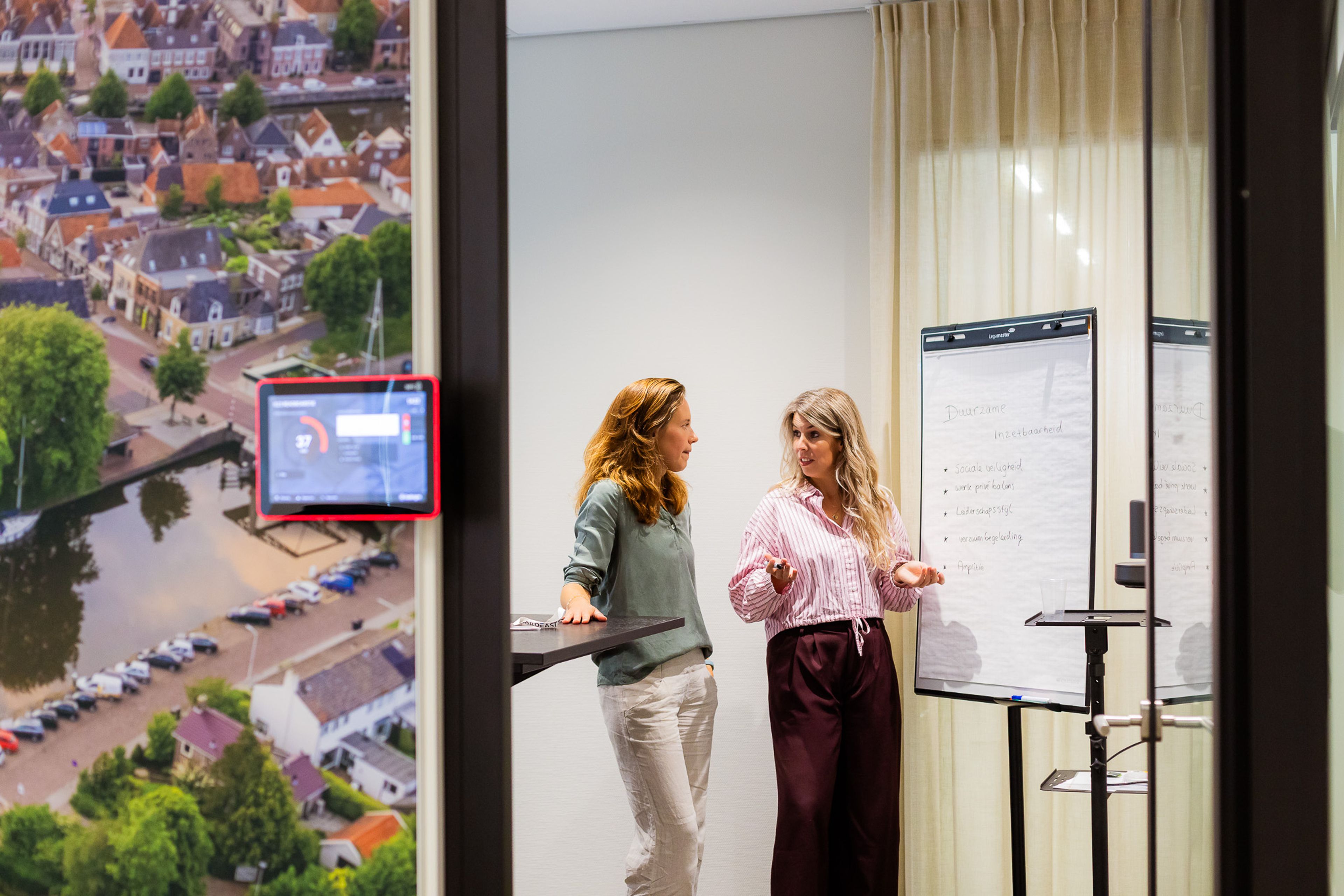
"The subject deserves to be discussed as soon as a question or concern arises. You want managers to take action themselves, rather than sitting back and waiting for the occupational physician to tell them what needs to happen."

Training and structure
When Mariska joined the municipality at the end of 2023, sickness absence was discussed once a quarter, in a meeting between the occupational physician, the manager and the cluster head. That, she felt, needed to change.
“The subject deserves to be discussed as soon as a question or concern arises. You want managers to take action themselves, rather than sitting back and waiting for the occupational physician to tell them what needs to happen.”
Together with the occupational physician and occupational health support specialist from Zorg van de Zaak, part of the Colbe network, Mariska built an internal training programme for managers. It started with the basics: what are employers legally required to do when an employee is absent? Then it went further. How do you stop employees dropping out in the first place? How do you strengthen their resilience so they're better equipped for what comes?
“Perhaps it is time to revisit agreements made in the past. You can have that conversation with an employee who is already absent, but you can also raise it during a regular conversation and simply ask: how are you really doing?”
Some of the groundwork was already there. Before Mariska arrived, larger departments had been split into smaller teams, each with its own coordinator: someone who genuinely knows the people in their team.
Mariska: “If you cannot see how your employees are doing, it simply does not work. Smaller teams with their own coordinators allow you to take a moment and say: I get the sense that you are not doing so well. Shall we sit down for a coffee?”
Creating space for emotions
Strong managers are one half of the story. The other half is employees who feel able to ask for help in time. In a down-to-earth organisation, taking that step can be particularly difficult.
The Municipality of Noardeast-Fryslân has worked with Gimd, one of the companies in the Colbe network, for ten years. Gimd provides workplace counselling, confidential advisory services and trauma support.
"It is wonderful to see how Gimd's trauma support helps even the most reserved people take that first step. Some time ago, for example, something happened to an employee that deeply affected the entire team. The trauma support helped the team begin the conversation: what does this mean for you, and what does it mean for me? It created space for feelings and emotions, allowing team members to feel supported by one another."

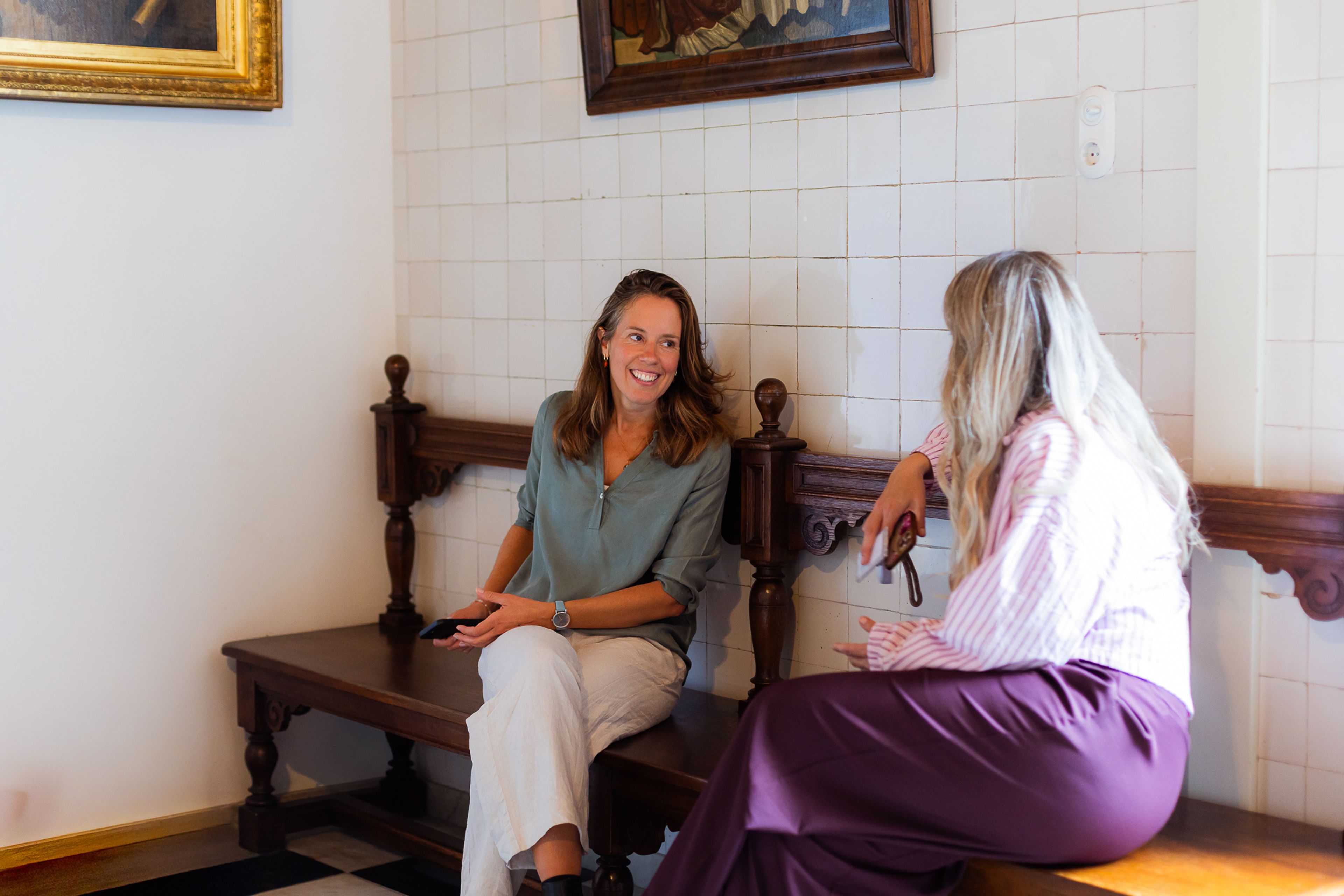
“Prevention is not something you can buy off the shelf. It grows from within the organisation: through managers who see their people, employees who speak up in time and service providers who know one another, ensuring that support quickly reaches the right place."
Why one network makes the difference
The efforts of Mariska and her colleagues are producing positive results. The proportion of sickness absence days related to mental health is lower at the municipality than the average among Zorg van de Zaak's other municipal-sector clients, and lower than the average across its entire client base.
"I see fewer sickness absence cases and more preventive support programmes," Mariska says. "That genuinely makes me very happy."
She's enthusiastic, too, about the strength of the Colbe network, which brings occupational health services and a wide range of specialists together under one roof.
"It is extremely valuable when your occupational physician recommends, for example, a mental health support programme or a specific form of coaching. It allows you to take a broader view of the issue. Employees no longer have to navigate a fragmented landscape of individual providers, and they receive the right support more quickly."
The network isn't only there when the municipality needs direct support. Mariska also invites specialists to contribute to internal sessions on specific themes.
"Employees today expect their employer to pay continuous attention to work and wellbeing. We work closely with Zorg van de Zaak, Gimd and Margolin to make that happen."
Be honest about where you stand
So what can other organisations learn from the developments at the Municipality of Noardeast-Fryslân? Mariska does not need long to answer.
“I believe you have to be completely honest about where your organisation currently stands. How well equipped are your managers to take ownership of their role? What does your organisational structure look like? Only determine your course of action after conducting an honest baseline assessment. Consider what the programme should look like, what is needed to make it successful and which parties need to be involved.
“Prevention is not something you can buy off the shelf. It grows from within the organisation: through managers who see their people, employees who speak up in time and service providers who know one another, ensuring that support quickly reaches the right place.”
Investing in work wellbeing before employees drop out. At the Municipality of Noardeast-Fryslân, they now understand why that's the right approach, and they can see the results it delivers. Getting a grip on sickness absence is no accident. It's a deliberate choice to invest in structure, collaboration and timely action.